

A Not-for-Profit Research & Resource Centre

Chriopractic Australia: ICareChiroCast presents Dr. Carlo Ammendolia

An Interview about Dr. Carlo Ammendolia presented by Icarechirocast:

Dr Carlo Ammendolia is the Director of the Spine Clinic and the Spinal Stenosis Program at the Rebecca MacDonald Centre for Arthritis and Autoimmune Diseases at Mount Sinai Hospital. He received his MSc degree in Clinical Epidemiology and Health Care Research and his PhD in Clinical Evaluative Sciences from the University of Toronto. Dr Ammendolia is an Assistant Professor in the Institute of Health Policy, Management and Evaluation, the Department of Surgery and the Institute of Medical Sciences at the University of Toronto. In 2012 and 2017, Dr Ammendolia was the recipient of the Professorship in Spine Award from the Department of Surgery in the Faculty of Medicine.  Dr Ammendolia has been in clinical practice for over 37 years and now combines clinical practice, research and teaching in the areas of non-operative treatment of mechanical, degenerative and inflammatory spinal disorders with a special interest in degenerative spinal stenosis.

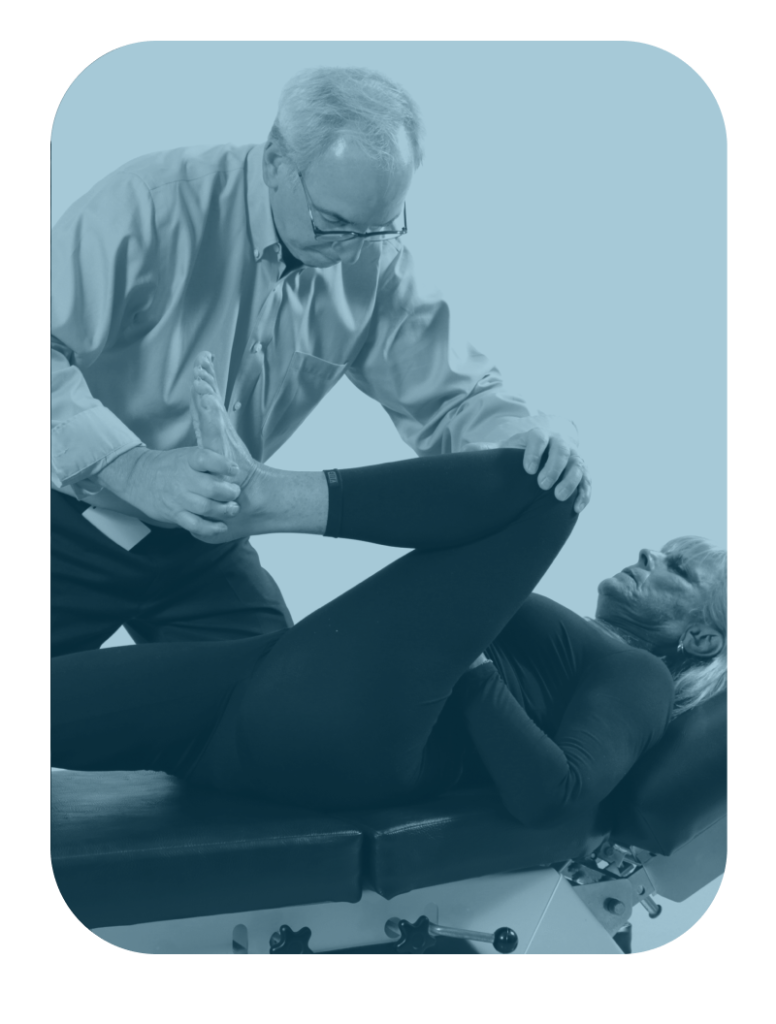
Listen to the podcast

Oxford Textbook of Medicine:  Back Pain and Regional Disorders by Drs. Carlo Ammendolia & Danielle Southerst

Oxford Textbook of Medicine 6th Edition, Volume 3, Page 4406 Summary Over 70% of people in industrialized countries suffer from

No Drugs, More Life: Practical Non-Surgical Treatments for Lumbar Spinal Stenosis

Explore the latest research on back and joint health in this new article published in Chiropractic & Manual Therapies. This

Dr. Carlo Ammendolia talks about Spinal Stenosis on Canada AM (CTV)

Dr. Carlo Ammendolia, a chiropractor and associate scientist at Mount Sinai Hospital in Toronto, has developed a specialized six-week “lumbar

War Room S05:E28- Chronic pain and opioids

War Room S05:E28 – Chronic pain and opioids (part 1) Chronic pain is real—but opioids aren’t the only answer. In

Check out our Evidence-based courses that can significantly improve your outcomes as a practitioner or an an individual